
Bunkers and Binoculars: Why Mount Bental is a Must-Visit for Families in Northern Israel

Are you looking for a destination that combines breathtaking views, fascinating history, and an interactive adventure for the kids? Look no further than Mount Bental in the Golan Heights. This dormant volcano offers one of the most unique experiences in Israel, where you can walk through old military bunkers and look directly across the border into Syria.
The Meaning Behind the Name: Why "Bental"?
Have you ever wondered where the name Mount Bental comes from? In Hebrew, the name is a combination of two words: "Ben" (Son) and "Tal" (Dew). This poetic name wasn’t chosen by accident. It refers to the mountain’s relationship with its taller neighbor, Mount Avital. In the local tradition of the Golan, Mount Bental is considered the "Son of Dew" because it catches the rich, life-giving moisture from the clouds that roll off the higher peaks. This dew is vital for the lush apple and cherry orchards of Kibbutz Merom Golan located at its base. Knowing the name helps you appreciate that while the mountain has a "stony" military exterior, it is also a source of life for the beautiful greenery surrounding it.
Why Mount Bental is a Top Golan Heights Attraction
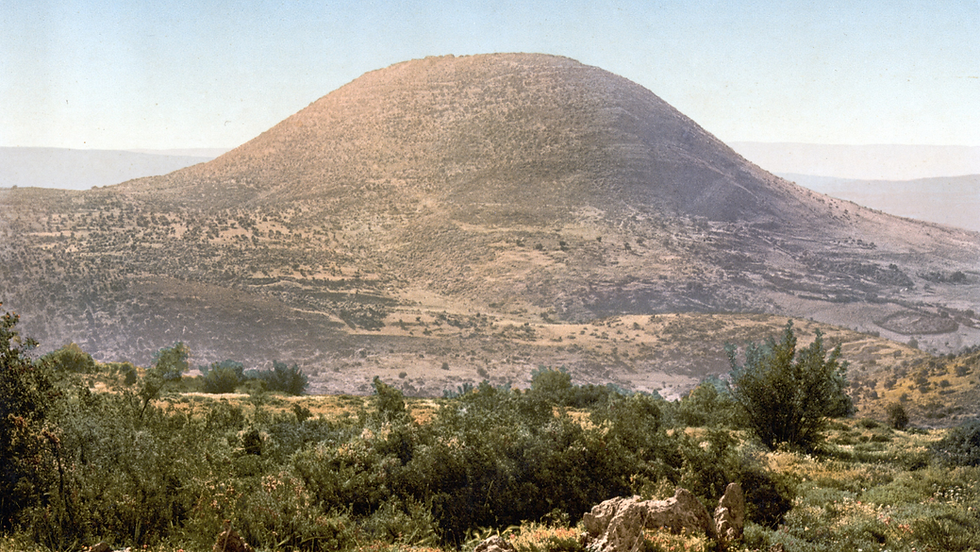
Mount Bental stands 1,165 meters above sea level. It isn't just a mountain; it's a dormant volcano that was part of a violent eruption thousands of years ago. Today, it serves as a natural watchtower over the Valleys of Quneitra. For families, it’s a living history museum where the "exhibits" are the very trenches soldiers once stood in.
1. The Sculpture Garden of "The Iron Man"
Before you even reach the summit, you’ll be greeted by a whimsical collection of iron sculptures. These are the work of Joop de Jong, a Dutch-born artist and member of Kibbutz Merom Golan. He took scrap metal—old farm tools and even pieces of tanks—and welded them into surreal, colorful creatures. It’s a great spot for family photos and lightens the mood before diving into the military history.
2. Exploring the Underground Bunkers
This is the highlight for most visitors. Unlike a traditional museum, the old IDF bunkers and trenches here are completely open to explore. You can descend into the cool, stone-walled underground rooms that were used during the Yom Kippur War. Kids love the "secret passage" feel, and it’s a powerful way to understand what life was like on the front lines.
3. The "Valley of Tears" Viewpoint
From the wooden balcony, look north toward Mount Hermon. The valley between you and the mountain is known as the Valley of Tears. In 1973, one of the largest tank battles in history took place right there. Standing here with a guide helps put the scale of Israel’s history into perspective, you aren't just looking at a field; you're looking at a site of incredible bravery.
Coffee at the Edge of the World: "Coffee Anan"
No visit is complete without a stop at Coffee Anan. This isn't just your average pit-stop.
The Name: It’s a brilliant double-pun. In Hebrew, Anan means "cloud," so it’s literally "Coffee in the Clouds." It is also a cheeky nod to Kofi Annan, the former Secretary-General of the UN, whose peacekeepers (UNDOF) you can often see stationed in the white buildings in the valley below.
The Vibe: It’s cozy, warm, and offers panoramic windows. On a winter day, the clouds actually roll into the shop when the door opens. It’s the perfect place to grab a hot chocolate while looking out at the Syrian border.
Quick Visitor Info: Mount Bental
Opening Hours: Sunday–Thursday & Saturday: 08:00 – 16:00 | Friday: 08:00 – 15:00.
Tickets: Entry is Free! (Managed by Kibbutz Merom Golan).
Top Tip: It is always 5–10 degrees cooler up here than in the valley. Even in July, bring a sweater!
Location: Click here for Google Maps Directions
Planning More Trips in Northern Israel? Check out these day trips
Mount Bental offers a perspective of the Golan Heights that you simply can't find elsewhere, where volcanic peaks and historic bunkers meet sweeping vistas across the Syrian border
Ready to stand on the edge of the Golan and see history come to life? Don't just see the view, understand the story.

Comments